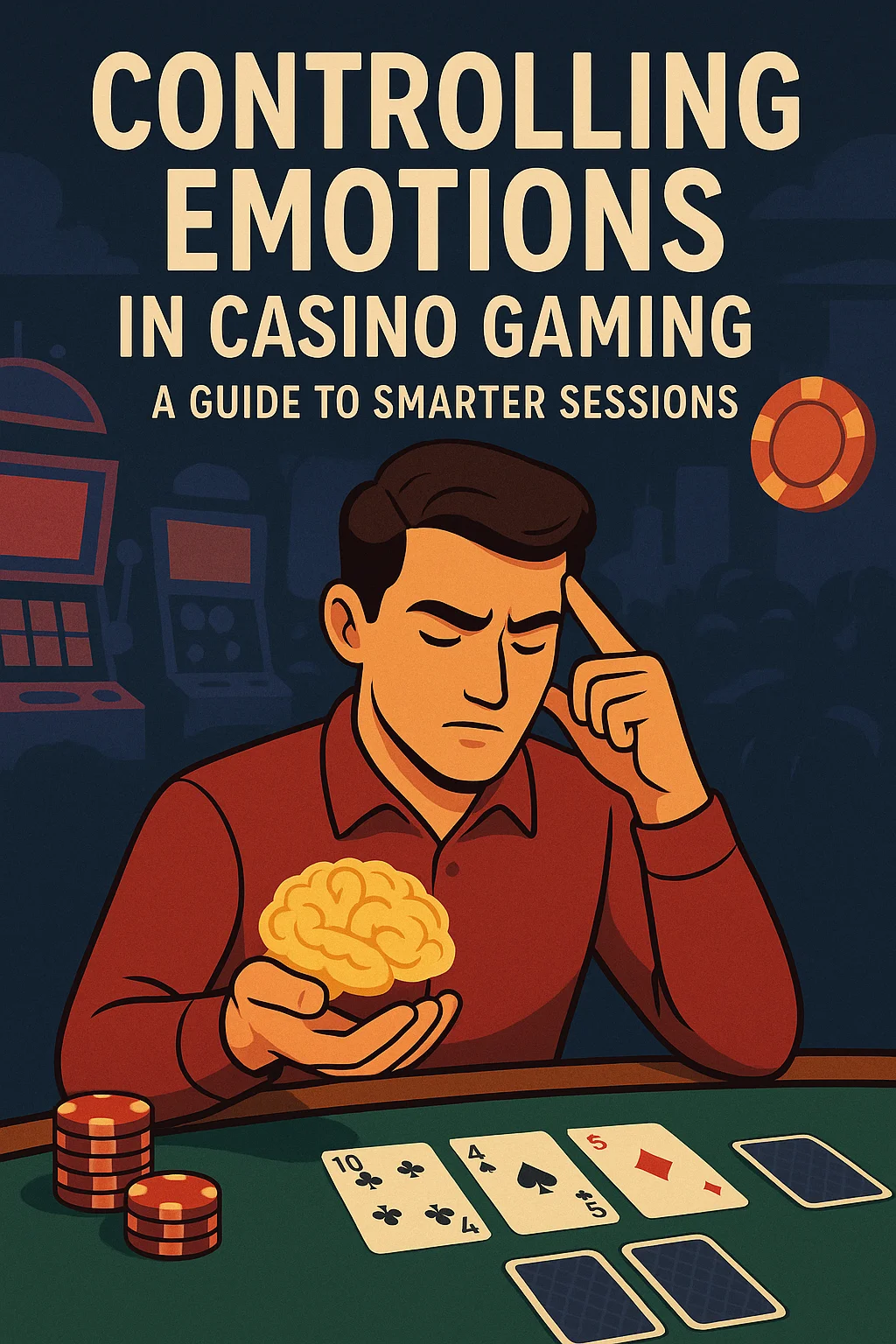
Controlling Emotions in Casino Gaming: A Guide to Smarter Sessions
Even seasoned players can lose control of their emotions when faced with a big slot win or a frustrating loss. That’s why understanding the psychology of gambling is just as essential as knowing financial strategies. Concepts like chasing losses, overconfidence, or FOMO (fear of missing out) often impact decisions. Managing emotions effectively can be the line between enjoying yourself and falling into stress, even in fast-paced crash games such as Drop The Boss.
Spotting Emotional Traps in Casino Games
While casino games are designed to be exciting, that thrill often leads to emotional pitfalls. The first step in avoiding them is knowing how to recognize the signs.
Chasing Losses – After a big setback, many players feel the urge to double their bets to “win it back.” This typically speeds up the loss of their bankroll.
Overconfidence After Wins – Success can cloud judgment. A winning streak may push players to raise bets beyond their limits, turning good luck into unnecessary risk.
FOMO (Fear of Missing Out) – Hearing about “hot slots” or watching others win can trigger impulsive wagers. Acting without a plan rarely leads to lasting success.
Frustration and Tilt – Borrowed from poker, “tilt” describes an emotional state where anger or disappointment damages focus. Players on tilt often bet irrationally and inconsistently.
Illusion of Control – Many believe they can influence outcomes in slots or crash games. In reality, every round is powered by RNGs, and this false sense of control can create dangerous overconfidence.
Practical Ways to Manage Emotions
Once you know the triggers, you can put structured routines in place to avoid them.
Take Regular Breaks – Step away every 30–60 minutes. A short pause clears your head and reduces rash betting.
Set Clear Win/Loss Limits – Decide in advance how much you’re prepared to win or lose. Following these limits removes the temptation to chase results.
Use Time Restrictions – Don’t just limit money, limit your playtime. Long sessions cause fatigue, and fatigue leads to poor decisions.
Stay Self-Aware – Pay attention to how you’re feeling as you play. If stress, excitement, or anger are driving your bets, stop immediately.
Avoid Stress and Alcohol – Playing under stress or the influence of alcohol lowers judgment. Create a calm, focused environment for yourself.
Practice Mindfulness – Simple breathing techniques or short resets help you stay balanced and avoid emotional swings during wins or losses.
The Psychology of Bankroll Management
Bankroll management is more than numbers — it’s about discipline and psychology. How you treat your money directly affects your long-term outcomes.
Separate Your Gambling Funds – Keep your bankroll independent of living expenses like rent, food, or savings. Treat it purely as entertainment money.
Think in Units, Not Totals – Break your bankroll into units, usually 1–2% of the total per bet. This creates stability and avoids big swings.
Adjust Gradually – If your bankroll grows, increase your unit size carefully. During losing streaks, scale back to preserve funds.
Avoid Going All-In – High-volatility games can wipe you out quickly. Spreading bets is safer.
Track Every Session – Keep records of deposits, wagers, and outcomes. Reviewing results improves discipline and helps spot patterns.
Detach Emotionally – Treat your bankroll as numbers, not feelings. Seeing losses as data instead of personal failures keeps you calm.
Building a Long-Term Mindset
Many players get lost in short-term results, but lasting success requires patience and perspective.
Focus on Process Over Outcome – Value good decisions over quick wins or losses. Long-term consistency matters more than single results.
Accept Variance – Every game has ups and downs. Embrace streaks without overconfidence and endure losses without panic.
Use Responsible Gambling Tools – Set deposit caps, activate cooling-off periods, or use self-exclusion tools when necessary to protect your future play.
Develop Patience – Big wins don’t happen in every session. The greatest reward comes from steady, disciplined play.
Balance Gambling With Life – Don’t make the casino your only source of enjoyment. Hobbies, sports, and social connections reduce dependency on gambling.
Keep Learning – Read about betting psychology, follow bankroll strategies, and update your skills. Growth strengthens both discipline and enjoyment.
Final Thoughts
Money and emotions mix poorly unless handled carefully. By recognizing psychological traps and combining awareness with smart bankroll habits, you can make casino play both enjoyable and sustainable. Discipline, focus, and calmness — even while the reels spin — are the foundation of a healthier and more rewarding gaming experience.